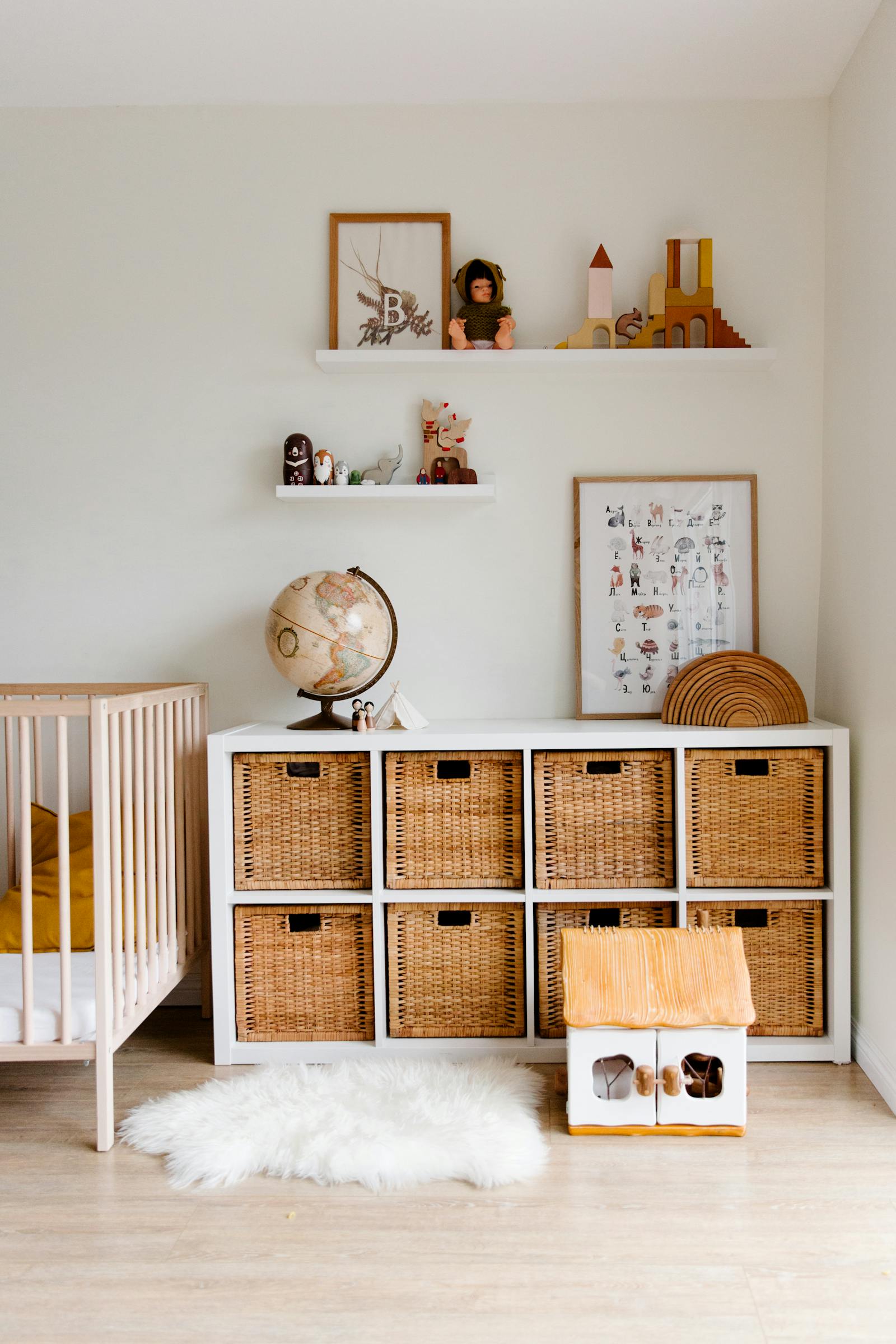
Children’s furniture takes a beating. It is climbed on, spilled on, dragged across floors, and asked to survive years of enthusiastic use. Yet a lot of what is marketed for kids is built to a price rather than to last, and ends up replaced within a year or two. Buying furniture that genuinely endures is better for your budget and for the amount of waste your home sends to landfill.
This guide covers what actually separates furniture that lasts from furniture that does not, so you can tell the difference before you buy rather than after it fails.
Buy once, not twice
Start with the mindset, because it changes every decision that follows. A cheaper piece that needs replacing in eighteen months is rarely cheaper over the life of a childhood. A well-made piece that lasts the distance usually wins on total cost, and it spares you the hassle and the waste of repeated replacement.
This is not an argument for spending the most you can. It is an argument for judging furniture on cost per year of use, not on the sticker price. A piece that is twice the price but lasts five times as long is the cheaper choice by a wide margin, and it is the more sustainable one too.
With that lens in place, the rest is about learning to spot which pieces will actually go the distance.
Judge the materials honestly
Materials are the foundation of durability, and a few minutes of scrutiny tells you most of what you need to know.
What tends to last:
- Solid timber over particleboard. Particleboard chips, swells when it meets moisture, and strips at the screw holes. Solid wood takes knocks and can be repaired.
- Quality foam over cheap fill. In soft furniture, dense, resilient foam keeps its shape for years, while low-grade fill flattens and goes lumpy fast.
- Tough, treated fabrics over delicate ones. A cover built to resist water and stains survives daily life with children; a fine, untreated fabric does not.
- Metal fixings over plastic clips. Plastic connectors are common failure points. Metal fittings and proper joinery hold up far better.
For anything soft and upholstered, look closely at both the foam and the cover, because those two choices decide whether the piece still looks and feels good in five years or sags into early retirement.
Look at how it is made
Good materials assembled badly still fail. Construction is where durability is won or lost, and the details are easy to check once you know what you are looking at.
- Joints. Glued and screwed or properly jointed beats stapled or merely glued. Give the piece a firm wobble; quality construction feels solid, not rattly.
- Edges and corners. These take the most abuse, so they should be reinforced or rounded, not thin and sharp.
- Covers and access. On upholstered pieces, removable covers and accessible internals mean you can clean and maintain rather than discard when something goes wrong.
- Finish. A durable, low-tox finish protects timber and survives repeated cleaning. A thin or flaking finish is an early warning sign.
If a retailer is happy to tell you how a piece is constructed and what it is made from, that openness is itself a good signal. Vagueness about materials and joinery usually means there is something not worth highlighting.
Favour flexibility
Furniture can become obsolete long before it wears out, simply because the child outgrows what it does. The most durable pieces are the ones that keep finding new jobs, so flexibility is part of longevity, not separate from it.
Modular and reconfigurable furniture is the clearest example. Australian-made modular seating that comes apart and rebuilds can be a fort, a lounge, and casual floor seating across very different ages, so the same piece stays relevant for years rather than seasons. The play around it matures while the furniture itself keeps earning its place.
Apply the same test to everything. Can it grow or change with your child? Adjustable, modular, and multi-purpose pieces last in usefulness, not just in build quality. A beautifully made item that does only one age-specific thing can still end up unused well before it wears out.
Check it can be maintained
Things last when they can be looked after, and a surprising amount of furniture is effectively disposable simply because it cannot be cleaned or fixed.
Before you buy, ask the practical questions:
- Can it be cleaned properly? Removable, washable covers and wipe-clean surfaces are the difference between a stain you deal with and one you live with forever.
- Can parts be replaced? Furniture sold with replaceable covers or components can be refreshed instead of binned when one element wears out.
- Can it be repaired at all? Pieces held together with proper fixings can be tightened and mended. Glued-shut, sealed-unit construction usually cannot.
Maintainability is quietly one of the strongest predictors of how long a piece survives in a real family home. A repairable, washable piece tends to outlast a “better” one that cannot be opened up or cleaned.
Made well, made closer to home
Where and how something is made is worth weighing too. Locally made furniture, such as Australian-made pieces, often comes with clearer standards around materials and safety, shorter and more transparent supply chains, and a lower transport footprint. It is also usually easier to source replacement parts and support down the track, which feeds straight back into how long the piece lasts.
None of this requires buying the most expensive option in the room. It requires asking better questions: what is it made of, how is it put together, will it adapt as my child grows, and can I clean and repair it when life happens to it. Furniture that answers those questions well costs less over the years, serves your children for longer, and keeps far more out of landfill than the cheap pieces it replaces.